What Is a Tanto?
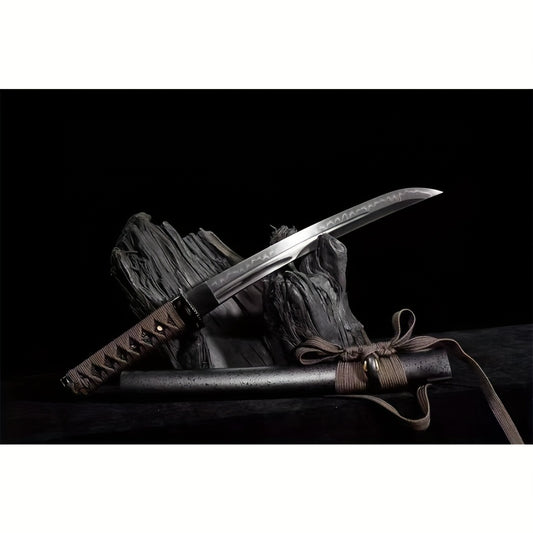
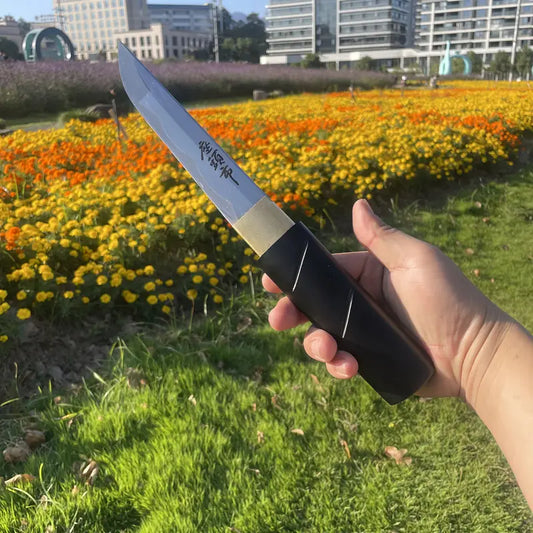
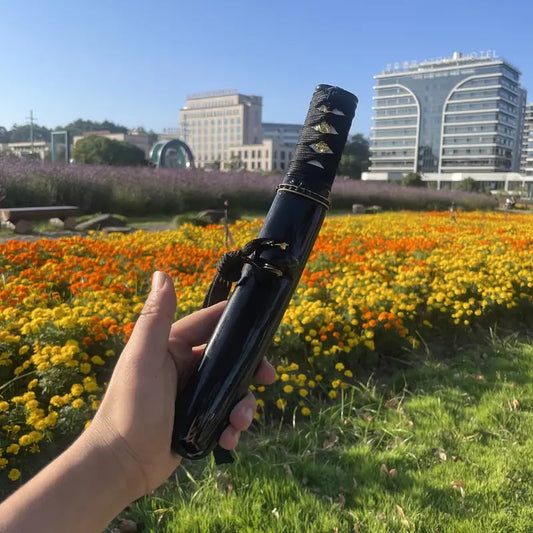
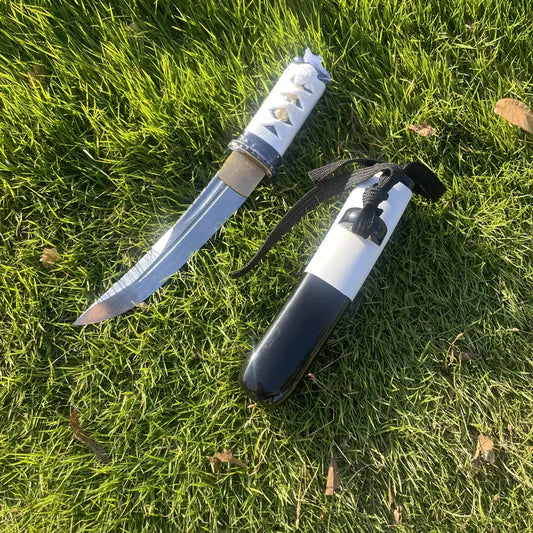
The tanto is a traditional Japanese dagger with a blade length typically under 30 centimeters (approximately 12 inches). One of the oldest forms of Japanese bladed weapons, the tanto has been carried by samurai, nobles, and warriors for over a thousand years. Unlike the katana and wakizashi, which are primarily cutting weapons, the tanto was designed for thrusting and close-quarters combat — its thick, rigid blade geometry optimized for penetrating armor and delivering decisive strikes in confined spaces where longer swords could not be effectively wielded.
At Samurai Swordman, our tanto collection features handcrafted blades that honor the historical design and functional excellence of this remarkable weapon. From traditional single-edged tanto to double-edged yoroi-doshi (armor piercers) and decorative tanto with elaborate fittings, our selection offers exceptional quality for collectors, martial arts practitioners, and enthusiasts who appreciate the artistry of Japanese short blades.
The History and Role of the Tanto
The tanto has played a significant role in Japanese history and culture across many centuries:
-
Samurai Sidearm — Before the wakizashi became the standard companion sword of the samurai, the tanto served as the primary short blade carried alongside the tachi (the predecessor to the katana). It was the samurai's last resort in close combat and a constant companion in daily life.
-
Armor Piercing — The yoroi-doshi, a specialized tanto with a particularly thick, rigid blade, was designed specifically to penetrate the gaps in Japanese lamellar armor (yoroi). Its robust construction allowed it to be driven through armor with force that would damage a thinner blade.
-
Seppuku — Like the wakizashi, the tanto was used in the ritual of seppuku. The shorter blade made it particularly suited to this solemn purpose, and tanto were often presented as gifts to samurai who were expected to perform the ritual.
-
Women's Defense Weapon — Tanto were commonly carried by women of the samurai class as a personal defense weapon, known as a kaiken. These tanto were often smaller and more elegantly decorated than those carried by male warriors, and were kept in the obi (sash) for concealed carry.
-
Ceremonial and Decorative Use — Tanto with elaborate fittings — carved tsuba, gold and silver inlay, lacquered saya with maki-e decoration — were presented as gifts between nobles and daimyo, and served as symbols of status and artistic patronage.
Tanto Blade Geometry and Construction
The tanto's distinctive blade geometry sets it apart from other Japanese swords and gives it its characteristic performance characteristics:
-
Hira-zukuri — The most common tanto geometry, with a flat blade cross-section and no shinogi (ridge line). This produces a blade that is thick at the spine and tapers to a sharp edge, optimized for thrusting.
-
Shobu-zukuri — A blade with a shinogi (ridge line) similar to a katana, giving the tanto a more complex cross-section and a blade that excels at both cutting and thrusting.
-
Kanmuri-otoshi — A variation of hira-zukuri with the back of the blade thinned near the point, creating a lighter, more agile tip.
-
Moroha-zukuri — A double-edged tanto, sharpened on both sides, used for thrusting attacks where the blade may need to be withdrawn at any angle.
Tanto blades are typically forged from high-carbon steel and differentially hardened through clay tempering, producing a visible hamon (temper line) and the same combination of hard edge and tough spine found in full-length katana.
Tanto as Collector Pieces
Among Japanese sword collectors, tanto occupy a special place. Their small size makes them easier to display and store than full-length swords, while their elaborate fittings — tsuba, fuchi, kashira, menuki — offer a concentrated showcase of the metalworker's art. A tanto with exceptional fittings can be as visually impressive as a full katana, in a fraction of the space.
Collectors often focus on:
-
Blade Quality — The clarity and activity of the hamon, the quality of the hada (grain pattern), and the geometry of the blade.
-
Fitting Quality — The craftsmanship of the tsuba, fuchi, kashira, and menuki, including the quality of carving, inlay, and surface treatment.
-
Saya Decoration — Tanto saya are often elaborately decorated with lacquer, maki-e (gold and silver powder decoration), and other techniques that make them works of art in their own right.
-
Historical Inspiration — Tanto inspired by specific historical periods, schools of swordsmithing, or famous historical examples are particularly sought after by serious collectors.
Caring for Your Tanto
Tanto require the same care as any high-carbon steel blade:
- Wipe the blade clean after handling with a soft, lint-free cloth.
- Apply a thin coat of choji oil to the entire blade surface to prevent rust.
- Store in the saya in a dry environment away from humidity.
- Avoid touching the blade with bare hands — skin oils accelerate corrosion.
- Inspect fittings regularly for tightness and security.
Frequently Asked Questions
What is the difference between a tanto and a wakizashi?
The tanto (under 30cm) is shorter than the wakizashi (30–60cm). The tanto was primarily a thrusting weapon and utility tool; the wakizashi was the companion sword to the katana in the samurai's daisho.
Is a tanto functional for cutting?
Yes. Our battle-ready tanto are capable of cutting, though their geometry is optimized for thrusting. The thick, rigid blade excels at penetrating resistance.
Can a tanto be used for self-defense?
Our tanto are sold as collector and display pieces. Check your local laws regarding blade ownership and carry before purchasing.
Explore More
Browse our related collections: Wakizashi | Handmade Katana | Battle Ready Katana | Sword Stand | Sword Care